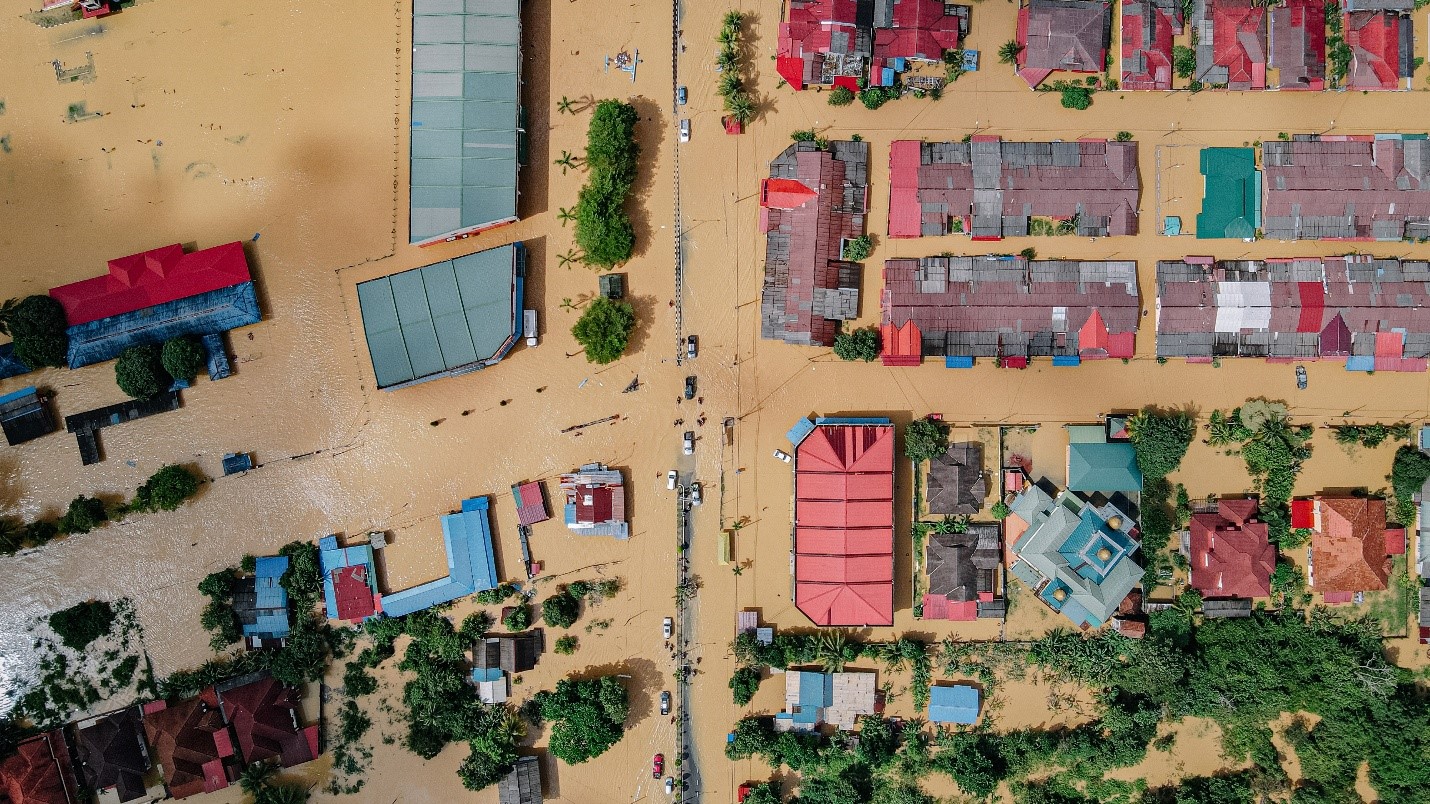
Thailand is facing a severe and persistent water crisis, marked by flooding in some areas and drought in others. The issue stems from climate variability and an inefficient water management system, which has affected multiple sectors, including the economy, agriculture, and the overall quality of life of its people. Meanwhile, several long-term water management projects designed to address these problems have been delayed due to budget constraints and administrative hurdles.
Many industries and businesses have had to invest in their own water management systems to cope with shortages during the dry season, increasing production costs year after year. At the same time, the government continues to spend large sums on disaster compensation caused by recurring floods and droughts. Experts have urged authorities to improve irrigation systems, develop more effective drainage networks, adopt water-saving technologies in agriculture, and allow private-sector participation in sustainable water and wastewater management.
In major urban areas, damaged drainage systems and aging water infrastructure have become more apparent. Some districts have experienced temporary water cuts due to ground subsidence, highlighting the urgent need to restore underground utilities. Environmental specialists emphasize that solving Thailand’s water problems should go beyond building infrastructure. Instead, the country needs an integrated water management approach—from upstream to downstream—along with the preservation of natural water sources. This would help strengthen national water security and resilience against future climate challenges.
© HWAPPU ENVIRONMENTAL PROTECTION TECHNOLOGY DEVELOPMENT CO., LTD 2025. All rights reserved. We reserve the right to make any final changes to this announcement.