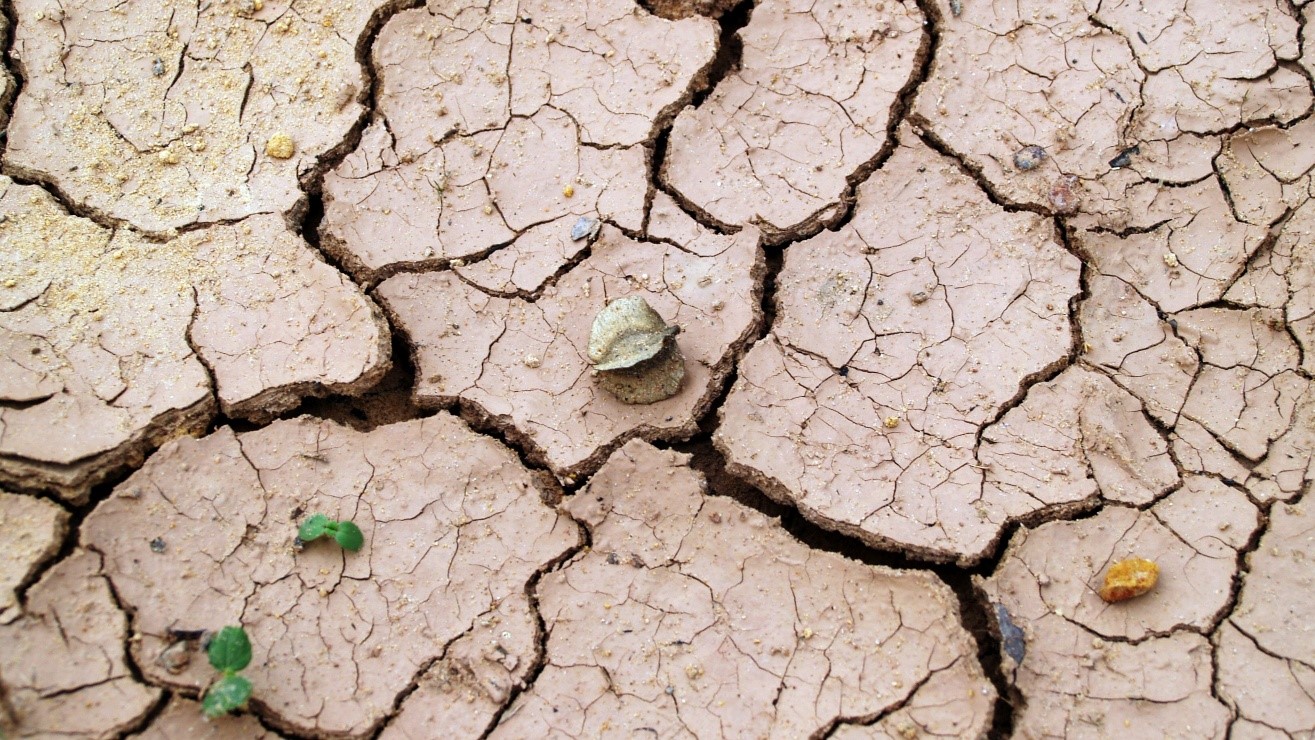
The drought situation this year has become noticeably more severe, with many areas across the country beginning to experience water shortages for both agricultural and domestic use. The below-average rainfall during the past rainy season has caused water levels in reservoirs and natural sources to drop to critical levels. Officials from the national water resources agency revealed that water levels in several major dams have fallen rapidly, with some containing less than one-third of their full capacity. As a result, water management has become increasingly restricted. Many farmers have had to postpone their planting schedules, while others have turned to groundwater or dug additional wells to sustain their crops. Beyond its impact on agriculture, the drought has also affected daily life in numerous communities. Some villages now receive water on a rotation schedule from local authorities, while many households have been forced to purchase clean water for household consumption — adding to their living costs during an already slow economic recovery. Government agencies have been implementing urgent measures to address the crisis, including creating water-reserve plans, building small-scale storage systems in high-risk areas, and preparing cloud-seeding operations to increase rainfall in the short term. At the same time, public campaigns are encouraging people to conserve water and stay updated on the situation through official announcements. Environmental experts warn that if rainfall remains below normal next year, the country could face a prolonged period of drought. Such a scenario would threaten not only agriculture but also industrial activity and people’s overall livelihoods. Long-term planning and sustainable water-management strategies are therefore essential to strengthen national water security for all regions across the country.
© HWAPPU ENVIRONMENTAL PROTECTION TECHNOLOGY DEVELOPMENT CO., LTD 2025. All rights reserved. We reserve the right to make any final changes to this announcement.